
Hi Friends-
I wanted to share one of the best finds we found for our daughter!
Why Swings and Hammocks Help Autistic Sensory Regulation
To some people, swinging in a trampoline or resting in a tight hammock looks like simple play.
For many autistic children, it is essential regulation.
Sensory regulation is how the nervous system finds balance. When the world feels too loud, too fast, or unpredictable, the body looks for input that helps it feel safe again. For many autistic children, movement and deep pressure are two of the most powerful tools.
During moments of overstimulation, Adilynn finds comfort in her swing. She climbs in on her own and may stay there for 30 minutes or longer, letting the movement do the work her words cannot. Little by little, we see her body relax and her emotions return to a place of calm.
The Autistic Nervous System and Sensory Needs
Autistic nervous systems often process sensory information differently. Sounds may feel sharper. Lights may feel brighter. Emotions may hit all at once instead of gradually.
When the nervous system becomes overwhelmed, it moves into fight, flight, or shutdown. In those moments, logic and language are not accessible. What helps first is regulation.
Regulation is not about stopping behaviors. It is about helping the body return to a state where learning, communication, and connection are possible.
When Adilynn’s emotions are high, we’ve learned that talking only adds to the overwhelm. What helps most is giving her the space and time her body needs for those big emotions to settle.
Why Swinging Helps
Swinging provides vestibular input, which comes from movement and balance. The vestibular system plays a major role in how we understand where our body is in space.
For autistic children, vestibular input can:
Organize the nervous system
Improve emotional regulation
Reduce anxiety and restlessness
Help the body feel grounded and safe
The rhythmic, repetitive motion of swinging is especially calming. It gives the brain predictable input, which can be deeply soothing in an unpredictable world.
This is why many autistic children naturally seek out swings, rocking, spinning, or pacing. Their bodies know what they need.
Why Tight Hammocks and Deep Pressure Help
A snug hammock provides deep pressure and proprioceptive input. Proprioception tells the brain where the body is and how it is moving.
Deep pressure can:
Calm the nervous system
Reduce sensory overload
Lower stress and anxiety
Increase feelings of safety and security
This is the same reason weighted blankets, tight hugs, or compression clothing can be so regulating for some autistic children. The pressure gives clear, steady feedback to the body, helping it settle.
For many children, being gently held by a hammock feels like being safely contained — supported instead of overwhelmed.
Regulation Is Not a Reward or a Crutch
Using swings, hammocks, or other sensory supports is not spoiling a child.
It is not something they need to “grow out of.”
It is not avoiding real life.
It is meeting a neurological need.
When we support regulation first, we often see:
Fewer meltdowns
Increased communication
Better emotional awareness
Greater independence over time
Regulation builds the foundation for everything else.
What Regulation Can Look Like at Home
Affiliate Disclosure: This post contains Amazon affiliate links. As an Amazon Associate, I may earn a small commission at no extra cost to you. I only share products that support sensory regulation and have been helpful for autistic families.
Every child is different, but many families find success with:
Indoor or outdoor swings (click her for the exact swing we use)
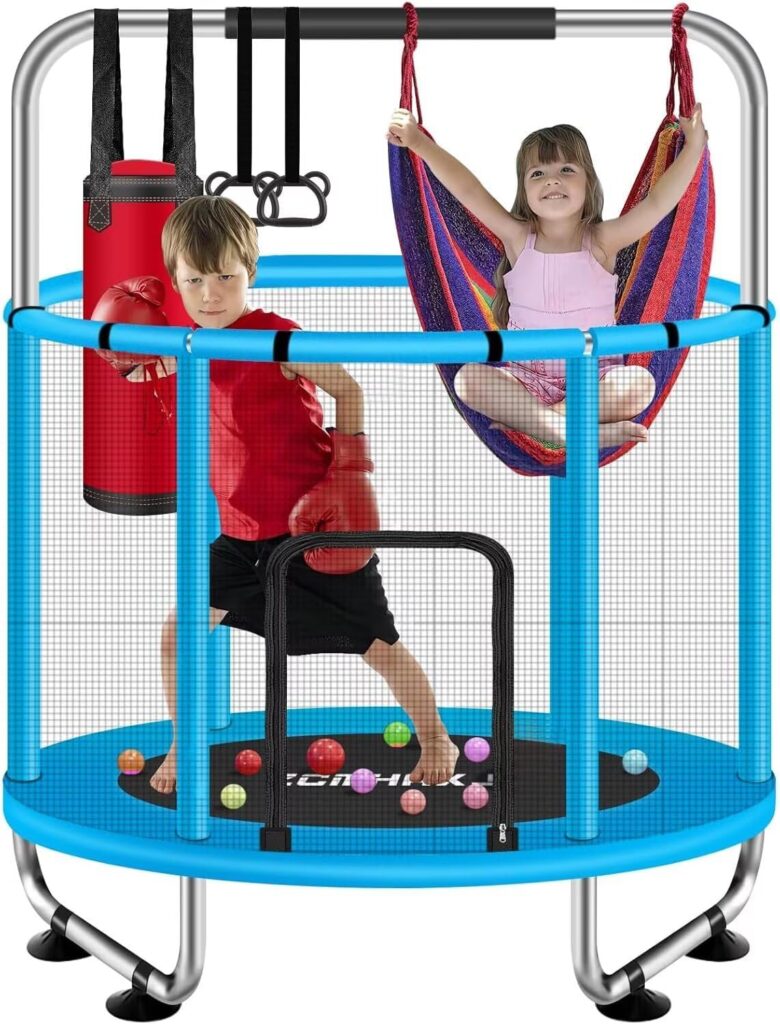
Trampoline swings or hammock swings (click here for the exact trampoline we use)
Compression or cocoon-style hammocks
Scheduled movement breaks
Allowing movement before expectations
The goal is not constant stimulation, but responsive support — offering sensory input before overwhelm hits.
A Final Reminder
If your autistic child seeks swinging, rocking, or deep pressure, their body is communicating.
Movement is not misbehavior.
Stillness is not the goal.
Calm comes before communication.
And when we honor how their nervous system works, we give them the greatest gift: felt safety.
Enjoy the calm in your journey, Have a blessed day!
Sincerly,
Julie, Momlife with Jules